

Public health projects and livelihood support play a crucial role in addressing the multifaceted issue of violence against women, particularly in vulnerable communities. Effective public health initiatives provide essential healthcare services, education, and resources that empower women to take control of their physical health and mental well-being. By improving access to healthcare, these projects help women identify and address signs of violence, enabling them to seek help and support. Additionally, public health programs that provide mental health services can play a critical role in helping survivors recover from trauma, fostering both resilience and long-term emotional recovery.
On the other hand, livelihood support complements public health efforts by enhancing women’s economic independence and self-sufficiency. When women are provided with job training, financial literacy education, and access to resources, they gain the confidence to leave abusive situations and support themselves and their families. Economic empowerment reduces dependence on abusive partners and strengthens women’s ability to make autonomous decisions. Furthermore, when women are actively participating in the workforce, they challenge societal norms and contribute to a shift in attitudes towards gender equality, which is essential for preventing violence against women.
Hope Alliance Switzerland’s Commitment to Women’s Empowerment
On the International Day for the Elimination of Violence Against Women, Hope Alliance Switzerland reaffirms its dedication to supporting women and girls in vulnerable communities. Women’s empowerment lies at the heart of our mission, and we remain committed to addressing the challenges they face through humanitarian projects and conducting field studies.
Centering Women in Our Initiatives
As a nonprofit international organization engaged in both Europe and Asia, Hope Alliance Switzerland has taken significant steps to support underserved communities. While we acknowledge the struggles faced by men and other marginalized groups, our primary focus remains on women and girls who face systemic barriers to equality. Our commitment is to not only address immediate needs but also to advocate for long-term solutions that promote gender equality and social justice within the communities we serve.
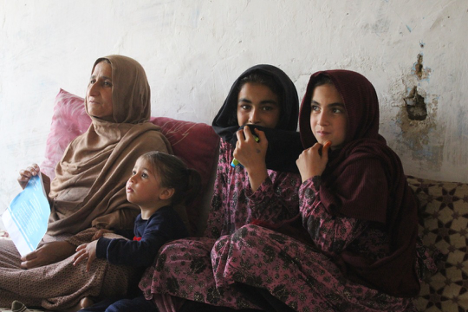
In Afghanistan, we strive to empower women with severe socio-political and economic challenges through our different initiatives. Our livelihood support programs and healthcare support are crucial for women impacted by war, drug addiction, and financial crisis. Our efforts are aimed at enabling women to overcome trauma and build better futures for themselves and their multigenerational families.
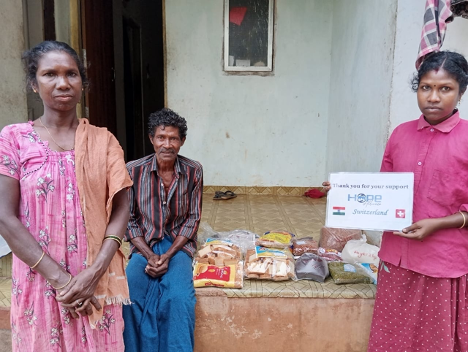
In India, we are addressing the pressing health disparities affecting underserved tribal communities in the Wayanad region by providing essential healthcare, nutrition, and education to needy families. These programs aim to combat the inequalities that limit access to basic services and help particularly, women lead healthier lives.
In Switzerland, our integration programs for Ukrainian refugees prioritize women’s inclusion in the workforce. By fostering self-reliance and confidence, these initiatives aim to equip women with the necessary tools to rebuild their lives and contribute meaningfully to the host society.
In all locations, at the heart of Hope Alliance Switzerland’s comprehensive approach lies a profound understanding of the multifaceted challenges faced by women and girls. By seamlessly integrating public health projects and livelihood support, the organization has crafted a holistic strategy to combat the scourge of violence against women. Through their unwavering commitment, they address the diverse needs of their beneficiaries, from safeguarding their physical and mental well-being to empowering them economically.